
Chow Chow Recipe: A Zesty Southern Relish You’ll Love
Discover the delightful world of chow chow, a traditional Southern condiment that transforms ordinary meals into flavorful experiences.
This zesty relish combines tangy, sweet, and spicy flavors in one versatile condiment that can elevate various dishes, from hot dogs to grilled meats.
Our recipe will guide you through creating an authentic Southern chow chow that balances fresh garden vegetables with a perfectly seasoned pickling brine.
It’s a fantastic way to preserve end-of-season garden vegetables, especially green tomatoes.
Key Takeaways
- Learn the history and significance of chow chow in Southern cuisine.
- Understand the ingredients and preparation methods for authentic chow chow.
- Discover creative serving suggestions to elevate your meals.
- Preserve end-of-season garden vegetables with this versatile relish.
- Enjoy the tangy, sweet, and spicy flavors of homemade chow chow.
What is Chow Chow Relish?
Chow chow is more than just a relish; it’s a taste of Southern heritage and tradition. This condiment has been a staple in many Southern kitchens for generations, bringing a burst of flavor to various dishes.
The Southern Pantry Staple
Chow chow relish is a fundamental component of Southern cuisine, often found in pantries across the mid-South. It’s characterized by its simplicity, with lots of onion, sweet bell pepper, and a limited number of spices, adhering to the traditional “salt and pepper” cooking palate of the region. This recipe stays true to its roots by emphasizing celery and mustard without incorporating hot peppers.
Flavor Profile and Characteristics
The distinctive flavor of chow chow is a harmonious blend of tangy vinegar, subtle sweetness, and vegetable freshness. Properly made chow chow maintains its crunch even after pickling, thanks to the crisp, finely chopped vegetables. The balance between acidity from vinegar and sweetness from sugar creates the signature zesty taste. The spice blend, typically featuring mustard and celery seeds, adds complexity without overwhelming the vegetable flavors. While some versions are mild, others incorporate hot peppers for a spicy kick, catering to personal preferences in heat level.
The Rich History of Chow Chow
The story of chow chow begins with the practical needs of preserving end-of-season vegetables, particularly green tomatoes that wouldn’t ripen before frost. This relish emerged as a solution to reduce food waste and make use of the garden’s bounty.
Chow chow’s history is closely tied to the cultural heritage of the Southern United States, with influences from Pennsylvania German and Dutch settlers. These early settlers brought their preservation techniques south, contributing to the evolution of chow chow as we know it today.
Southern Roots and Heritage
The tradition of making chow chow became an autumn ritual in many Southern households, marking the transition from garden abundance to winter preparation. Families would gather to process large batches of vegetables, preserving them for the colder months. This communal activity not only ensured a steady supply of nutritious food but also brought communities together.
End-of-Season Preservation Tradition
The practice of making chow chow represents an early form of “no waste” cooking, aligning with modern concepts of sustainability. By preserving end-of-season vegetables, households could enjoy their garden’s produce year-round. This tradition has been passed down through generations, with chow chow remaining a staple in Southern cuisine.
| Preservation Method | Description | Benefits |
| Salting and Draining | Removing excess moisture from vegetables | Enhances flavor and texture |
| Pickling Brine | Soaking vegetables in a vinegar-based solution | Preserves vegetables and adds flavor |
| Canning | Sealing preserved vegetables in airtight jars | Long-term storage and convenience |
The history of chow chow is a testament to the resourcefulness and culinary ingenuity of America’s past, with its preservation techniques remaining relevant today.
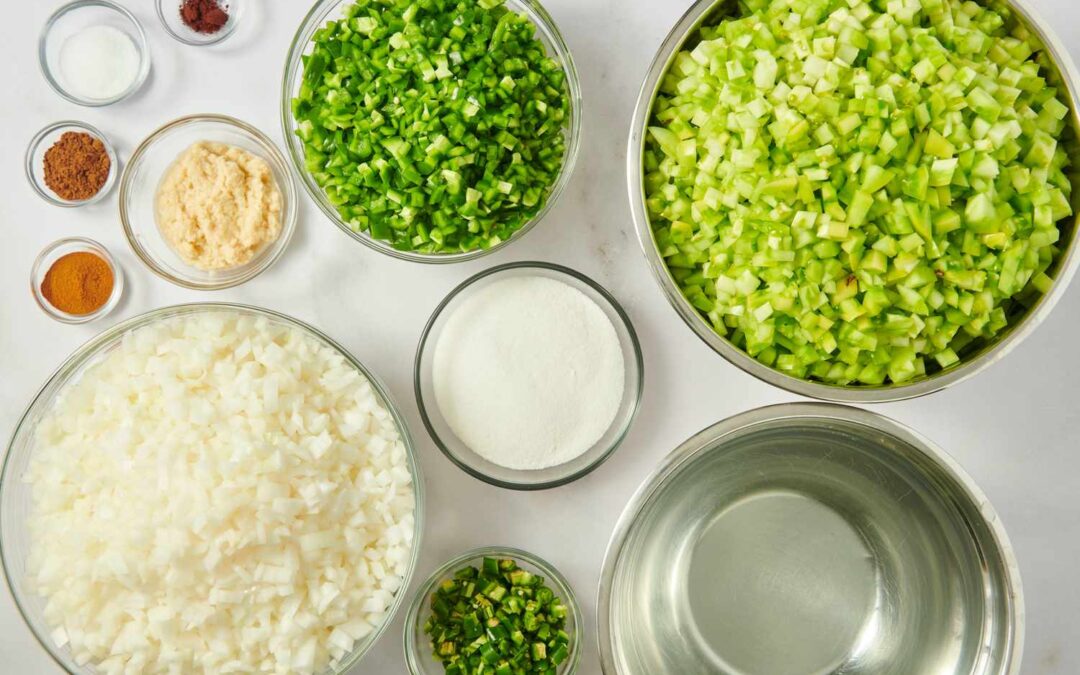
Essential Ingredients for Classic Chow Chow Recipe
A classic chow chow recipe relies on a combination of fresh vegetables and a tangy pickling brine. The harmony between these components is what makes chow chow a beloved condiment in many cuisines.
Fresh Vegetables
The freshness of the vegetables is crucial for the overall flavor and texture of the chow chow. Typically, a mix of vegetables such as cabbage, carrots, bell peppers, and onions are used. These vegetables not only add a crunchy texture but also a burst of flavors ranging from sweet to slightly bitter.
Pickling Brine and Spices
The pickling brine is what gives chow chow its distinctive taste. The brine is made with 3 1/2 cups of white vinegar, which provides a clean and sharp acidity. To balance this acidity, 1 cup of sugar is added, creating the signature sweet-tangy profile. The right type of salt, such as kosher or pickling salt, is essential for proper fermentation and flavor. 1/4 cup of sea salt, pickling salt, or kosher salt is typically used.
The spices play a vital role in defining the flavor of chow chow. 1 tablespoon of yellow mustard seeds and 1 teaspoon of ground celery or celery seed are commonly used, providing distinctive aromatic qualities. Optional spices like turmeric for color, red pepper flakes for heat, or whole cloves and allspice for warmth can be added to customize the flavor.
| Ingredient | Quantity | Purpose |
| White Vinegar | 3 1/2 cups | Provides acidity |
| Sugar | 1 cup | Balances acidity |
| Sea Salt/Pickling Salt/Kosher Salt | 1/4 cup | Aids fermentation and flavor |
| Yellow Mustard Seeds | 1 tablespoon | Adds aromatic quality |
| Ground Celery/Celery Seed | 1 teaspoon | Provides distinctive flavor |
Equipment You’ll Need
To get started with your chow chow recipe, ensure you have the necessary equipment. Making chow chow requires a few key tools to achieve the right consistency and to preserve it properly.
First, you’ll need a large non-reactive pot or Dutch oven for cooking the relish. A food processor or food grinder is also essential for achieving the finely chopped consistency that defines traditional chow chow.
If you plan to can your chow chow for long-term storage, you’ll need canning equipment, including mason jars, new lids, rings, a jar lifter, a canning funnel, and a large pot for water bath processing.
| Equipment | Purpose |
| Large non-reactive pot or Dutch oven | Cooking the relish |
| Food processor or food grinder | Achieving finely chopped consistency |
| Mason jars, lids, rings | Storage for canned chow chow |
| Jar lifter, canning funnel | Safe handling and filling of jars |
| Large pot for water bath processing | Canning the relish |
Setting up an efficient workspace is also important. Create a jar station by spreading out a clean kitchen towel on the counter and setting out jar lifters and a canning funnel. For those without specialized equipment, alternatives such as hand-chopping vegetables or storing the finished relish in the refrigerator are available.
Step-by-Step Chow Chow Recipe
Now that we have covered the essential ingredients and equipment, let’s dive into the step-by-step process of making your own chow chow relish. This section will guide you through the preparation, cooking, and jarring of the relish.
Preparing the Vegetables
The first step in making chow chow relish is to prepare the vegetables. This involves washing, chopping, and dicing the various vegetables according to the recipe’s requirements. It’s crucial to ensure that the vegetables are fresh and of high quality to achieve the best flavor.
Freshness is key when it comes to the vegetables used in chow chow relish. Choose vegetables that are vibrant in color and free from blemishes.
Salting and Draining Process
After preparing the vegetables, the next step is to salt them. This process involves sprinkling salt over the chopped vegetables to draw out excess moisture. The vegetables are then left to sit for a period before being drained thoroughly.
The salting and draining process is crucial as it helps to remove excess water from the vegetables, which is essential for achieving the right consistency in the final relish.
Creating the Pickling Brine
The pickling brine is a mixture of vinegar, sugar, and spices that gives chow chow relish its distinctive flavor. To create the brine, combine the required ingredients in a saucepan and bring them to a boil.
The pickling brine is what sets chow chow relish apart from other relishes, providing a tangy and slightly sweet flavor profile.
Cooking and Jarring the Relish
Add the chopped vegetables to the vinegar mixture, stir, and bring back to a boil. Once boiling, set a timer for 10 minutes and stir often, adjusting the heat as necessary to make sure nothing sticks to the bottom of the pot.
Once the vegetables are almost done cooking, carefully lift each sterilized jar out of the pot and dump the hot water back into the pot. Set them upright on the clean kitchen towel. Remove the relish from heat and begin filling the hot jars with the chow chow relish, leaving 1/2 inch of headspace at the top of each jar.
| Cooking Time | Vegetable Texture | Jarring Technique |
| 10 minutes | Softened but crunchy | Leave 1/2 inch headspace |
| Adjust heat as needed | Stir often | Use sterilized jars |
By following these steps and using the right cooking techniques, you’ll be able to create a delicious chow chow relish that’s perfect for various dishes.
Canning Your Chow Chow for Long-Term Storage
The key to enjoying your chow chow relish year-round lies in the canning process, which requires attention to detail and the right techniques. Proper canning ensures that your relish remains fresh and safe to eat for months to come.
Water Bath Canning Method
To can your chow chow, you’ll need to use the water bath canning method. This involves submerging your filled jars in boiling water to create a vacuum seal. Ensure your jars are sterilized before filling them with the hot chow chow relish, leaving about a quarter-inch headspace. After sealing the jars, process them in a boiling water bath for 10 minutes, adjusting for altitude as necessary.
After processing, remove the jars from the water bath and let them cool to room temperature. To check if the jars are sealed properly, tap the lids firmly. If they make a dull thump and the center is pulled down, they’re sealed correctly.
Safety Tips and Shelf Life
Properly canned chow chow can be stored in a cool, dark place for up to a year. Here are some key storage and safety tips:
- Check the seal of your jars regularly. If a jar is not sealed properly, store it in the refrigerator and use it within a few weeks.
- Once opened, store jars in the refrigerator and consume the relish within 4 months.
- Always inspect your jars for signs of spoilage before consuming, such as off smells, mold, or swelling.
- Be patient, as the flavor of chow chow improves after a few days or weeks as the ingredients meld together.
By following these guidelines, you can enjoy your homemade chow chow relish throughout the year, savoring the flavors of the harvest season whenever you desire.
Regional Variations of Chow Chow
From the Southern states to the Pennsylvania Dutch country, chow chow recipes showcase a fascinating array of flavors and ingredients. While the core concept of chow chow remains the same across regions, the variations in ingredients and preparation methods reflect local tastes and traditions.
Southern Style Differences
The Southern version of chow chow is characterized by its use of traditional vegetables such as cabbage, carrots, and onions. The relish is often tangy and slightly sweet, making it a perfect accompaniment to Southern staples like hot dogs and barbecue.
Pennsylvania Dutch and Amish Versions
In contrast, Pennsylvania Dutch and Amish chow chow recipes often incorporate a wider variety of vegetables, including green beans, lima beans, cauliflower, and corn kernels. These versions tend to be sweeter, with spice profiles that may include cinnamon, allspice, or cloves. Interestingly, the Pennsylvania Dutch version of chow chow bears a resemblance to the British condiment Piccalilli, highlighting the shared heritage of preservation techniques across cultures.
The Amish community’s emphasis on using abundant vegetables has influenced their chow chow recipes, resulting in a diverse and flavorful relish. The following table summarizes the key differences between Southern and Pennsylvania Dutch/Amish chow chow variations:
| Characteristics | Southern Style | Pennsylvania Dutch/Amish |
| Vegetables Used | Cabbage, carrots, onions | Green beans, lima beans, cauliflower, corn kernels, cabbage, carrots |
| Spice Profile | Tangy, slightly sweet | Sweeter, with cinnamon, allspice, or cloves |
| Influences | Traditional Southern | Amish preservation traditions, British Piccalilli |
Creative Ways to Serve Chow Chow
Once you’ve made your homemade chow chow, you’ll want to explore the many creative ways to serve it. This versatile relish can be used in a variety of dishes, from traditional Southern pairings to modern fusion cuisine.
Traditional Southern Pairings
In the South, chow chow is often served alongside classic comfort foods. It’s a staple at family gatherings and picnics, where it’s typically paired with beans and cornbread. The tangy flavor of chow chow complements these dishes perfectly, adding a burst of flavor to each bite.
Classic Combinations:
- Beans and cornbread
- Hot dogs and burgers
- Sandwiches, such as Veggie Burger and Tempeh Reuben Sandwich
Modern Serving Suggestions
Beyond traditional Southern cuisine, chow chow can be used in a variety of modern dishes. It’s an excellent condiment for sandwiches, burgers, and hot dogs, offering a tangy alternative to standard pickle relish. Try using it as a topping for tacos, grain bowls, or avocado toast for a Southern-inspired twist on modern favorites.
Creative Ideas:
| Dish | How to Use Chow Chow |
| Tacos | Add chow chow as a topping for a burst of flavor |
| Grain Bowls | Mix chow chow into your grain bowl for added tanginess |
| Avocado Toast | Top avocado toast with chow chow for a Southern-inspired twist |
Troubleshooting Your Chow Chow Recipe
If your chow chow doesn’t turn out as expected, don’t be discouraged; here are some common problems and their fixes. One common issue is a too-watery relish. To fix this, you can either drain off some of the excess liquid or add a small amount of cornstarch slurry to thicken it.
Flavor imbalances can also occur. If your chow chow is too sweet, adding more vinegar can help balance it out. Conversely, if it’s too sour, a bit more sugar can resolve the issue.
Texture problems are another potential issue. If the vegetables are too soft, they may have been overcooked. On the other hand, if they’re too firm, they might need a bit more cooking time.
Common Chow Chow Issues and Solutions
| Problem | Solution |
| Too watery | Drain excess liquid or add cornstarch slurry |
| Too sweet | Add more vinegar |
| Too sour | Add more sugar |
| Too spicy | Add more vegetables |
| Not spicy enough | Add red pepper flakes or hot sauce |
By addressing these common issues, you can perfect your chow chow recipe and enjoy a delicious, tangy relish.
Conclusion
With this chow chow recipe, you’re not just making a condiment – you’re connecting with generations of Southern culinary heritage.
By making homemade chow chow, you’re continuing a time-honored tradition that enhances countless meals throughout the year. Feel free to experiment with the recipe to suit your taste preferences and available vegetables.
We invite you to share your chow chow experiences and how this versatile relish has become part of your family food traditions.
FAQ
What is the best way to store chow chow relish after canning?
Store the sealed jars in a cool, dark place. Once opened, keep the jar refrigerated to maintain the relish’s flavor and texture.
Can I adjust the level of spiciness in the relish?
Yes, you can adjust the spiciness by adding more or less red pepper to the pickling brine. You can also omit it entirely if you prefer a mild relish.
How long does homemade chow chow relish last?
When properly canned and stored, chow chow relish can last for up to a year. After opening, it will typically last for several months in the refrigerator.
Can I use green tomatoes that are not fully green?
Yes, you can use tomatoes with a slight yellow or red tint, but make sure they are still firm. Avoid using overly ripe or soft tomatoes, as they may not hold up well during the canning process.
Is it necessary to use a water bath canner for this relish?
Yes, using a water bath canner is crucial for ensuring the relish is properly sterilized and sealed. This helps prevent spoilage and foodborne illness.
Can I customize the vegetables in the relish to my liking?
While the classic recipe includes cabbage, bell peppers, and green tomatoes, you can experiment with other vegetables like carrots or onions. However, be aware that this may alter the relish’s flavor and texture.
How do I know if my chow chow relish has gone bad?
Check the relish for signs of spoilage, such as an off smell, slimy texture, or mold growth. If you notice any of these, it’s best to err on the side of caution and discard the relish.
Hi, this is a comment.
To get started with moderating, editing, and deleting comments, please visit the Comments screen in the dashboard.
Commenter avatars come from Gravatar.